Check 1
Photograph the property's collateral the week of the storm: dented metals, spatter marks, damaged screens - wide shots and close-ups, dated.
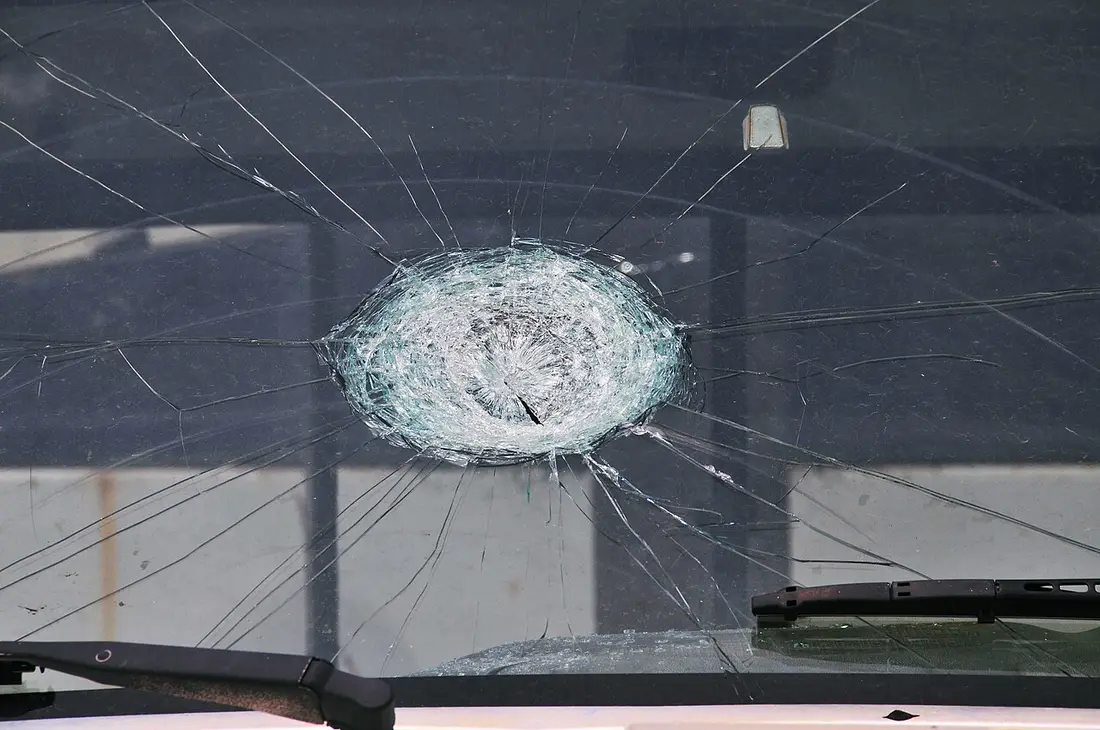
How hail damage actually works on shingles, tile and metal, how roofers separate it from wear, and what to do in the days after a Tulsa hail storm.
Call center hours: Mon-Fri 7am-10pm, Sat 8am-10pm, Sun 7am-9pm (Eastern) - agents available to take your call
Hail's real damage hides under the granules: mats fractured by impact age years in a season while the roof looks fine from the street - which is why hail is graded by hand and evidence, never from the driveway.
Read the collateral first (vents, caps, gutters), test the slopes for bruising, separate hail from wear in writing, and document everything dated within weeks of the storm.
Call for a hail read after any storm dropping hail an inch or larger - sooner is cleaner evidence, and the inspection is what a claim stands on.
No finding in Tulsa roofing starts more arguments than hail, because hail is genuinely hard to see and genuinely expensive to miss. This guide explains what hailstones actually do to each roof material, how a competent inspection separates storm damage from ordinary wear, and what a homeowner should do - and not do - in the days after a storm crosses the neighborhood.
On shingles, the blow fractures the fiberglass mat that carries the roof's waterproofing life. The granules on top may stay in place at first, so the slope looks unmarked - but the fracture breaks the mat's continuity, the sun works the crack, and granules shed from that spot over the following season. The area ages years in months. That is why hail grading is done by touch: the bruise feels soft where the mat gave way.
On tile, hail cracks pieces outright - fractures that open the felt beneath to direct weather, sometimes in patterns visible only up close. On metal, hail dents: the panel keeps shedding water, but hard dents can crack the finish and start corrosion clocks. On flat membranes, big hail can bruise or puncture, and the damage hides under pond silt until the section is cleaned and read. Each material has its own hail story; anyone grading them all the same way is guessing.
Hail is random and directional: hits scatter across the storm-facing slopes in a pattern no wear process imitates, and the same storm writes collateral evidence on the property - dented vent caps and flashing, spatter marks where hail washed oxidation off surfaces, damaged screens and gutters. Wear, by contrast, follows sun and age: even fields of granule loss on the sunny slopes, blistering, mechanical scars from foot traffic.
The honest inspection uses both: test areas read by hand on storm slopes and control slopes, collateral catalogued, and the map written slope by slope with hail and wear labeled as what they are. That separation is not pedantry - it is what insurers pay on and what a roofer's credibility is built from. A map that calls everything hail is as worthless as one that calls nothing hail.
First, the ground read: walk the yard for pieces, check the gutters and downspout outlets for a wash of granules, look at ceilings over the following days - some hail-opened leaks wait for the next rain. Photograph the property's collateral evidence: the dented mailbox, the marked siding, the soft metals on the roof itself if they can be seen safely from a ladder's foot.
Then get the roof read within weeks. Hail evidence fades on a schedule - granule patterns wash clean, bruises weather into the general field, and claim timelines run regardless. Do not sign anything at the door in storm week without a written, slope-by-slope map in hand; the storm will keep, the evidence will not, and the order of those two facts is the whole game.
Photograph the property's collateral the week of the storm: dented metals, spatter marks, damaged screens - wide shots and close-ups, dated.
Check downspout outlets after the storm: a sudden granule load is the roof's own report of surface loss.
Note the ceiling watch: some hail-opened entries wait for the next rain - mark any new stain with its date and the weather.
Resist the door-knock contract: no scope is real until it is written slope by slope from an actual read.
Inspectors settle arguments with test areas: a marked square on the slope, examined closely, where hits are counted, felt for mat fracture, and compared against a control area on a sheltered slope. The method turns impressions into counts and patterns - and counts and patterns are what separate a storm's signature from a roof's biography of wear.
Homeowners are entitled to see this done and to have it photographed. A hail finding that cannot survive being shown - the bruise under the thumb, the pattern across the test square, the collateral on the vents - is a finding that will not survive an adjuster either. Ask for the demonstration; competent roofers expect the question.
If you cannot see hail damage from the ground, there is none.
The driveway view feels like common sense - damage should look like damage.
Hail's costly damage is mostly tactile and hidden.
Fractured mats under intact-looking granules are found by hand, on the roof, in test areas. The driveway view also misses the collateral evidence - on the vents and caps - that proves the storm.
The storm that hit your roof hit everything else too, and the rest of the property tells the story without an agenda: spatter marks washed into siding and fences, dented metal on sheds and play equipment, shredded screens, the pattern of debris in the yard. This collateral record dates and sizes the event at your address specifically - which matters, because hail swaths are narrow and arguments about 'the storm missed this street' are settled by it.
Photograph the collateral the week of the storm, wide and close, with dates. It costs ten minutes and it is the exhibit that no later report can recreate.
A professional hail read is method before opinion: collateral catalogued first, test areas on storm and control slopes read by hand, bruises distinguished from blisters and wear by pattern and feel, everything photographed keyed to a written slope map. The roofer's willingness to label some areas 'wear' and some slopes 'sound' is not weakness in the report - it is the report's credibility, and adjusters weigh it accordingly.
Judging hail from the ground or the driveway - the determination is tactile and happens on the slopes.
Letting storm-week pressure substitute a contract for a map - the scope signed in haste is re-argued for months.
Cleaning up all the collateral evidence before photographing it - the property's dents and spatter are exhibits with a shelf life.
Waiting a season to ask - evidence weathers, timelines run, and a late question gets a murkier answer than the roof deserved.
Hail is the region's signature roof event. The same storm systems that cross the plains drop hail on Green Country roofs most springs - sometimes pea-sized and harmless, sometimes large enough to bruise shingles, dent metal and crack tiles in one pass. Hail damage is often invisible from the ground, which is why post-storm inspections, not driveway opinions, decide what a storm actually did.
Winter's other story is the swing. A Tulsa January can deliver a 70-degree afternoon and a hard freeze two nights later, and roofs feel every cycle: materials expand and contract, ice works in cracks, and wind off the plains finds the edges that loosened in the fall storms. Roofs that went into winter with their details closed come out of it quiet; the rest file their reports in the spring rains.
Yard pieces, granule wash at downspouts, collateral dents on the property - the storm's signature at eye level.
Test areas on storm-facing and control slopes, bruises confirmed by feel, collateral on the roof catalogued.
Slope by slope: hail, wear, sound - dated and photographed. This document is the claim file and the repair scope in one.
Sections, slopes or the whole roof - sized by the measured damage, with the documentation handed to you, not held by the contractor.
A hail report worth standing behind names its method: collateral catalogued, test areas read on storm and control slopes, hits characterized by feel, and the map written with hail, wear and sound areas labeled separately. Photos are keyed to slopes, not dumped in a pile.
That document serves three masters - your repair decision, your insurer's process, and your roof file's history - and it serves them for years. Keep it with the storm date and any weather-service hail reports for the neighborhood.
Hail asks a question that only evidence can answer, and it asks it on a deadline. Read the collateral, test the slopes, write the map, and the loudest week in Tulsa roofing becomes what it should be: a documented event with a measured response.
Not necessarily, and not knowably from the ground. Hail's cost is spent life, not immediate leaks: fractured mats shed water for months while aging at triple speed. The answer lives in the bruise pattern and the collateral evidence, and it is read on the roof. A clean read is genuinely good news - but it has to be a read, not a glance.
Around an inch is the field threshold where mat fractures become plausible, with likelihood climbing with size and with the roof's age. A five-year-old flexible roof can take hail that would mark a brittle eighteen-year-old one across every slope. Size starts the question; the inspection answers it for your roof.
You can gather the ground evidence - yard debris, granule wash, dented property items, ceiling checks - and that evidence is valuable. The determination itself needs hands on the slopes and the experience to separate bruising from blistering and wear. Homeowners walking hail-season roofs also crack the very mats they are checking; the ladder half is a professional's job.
It happens, and the written map is the bridge: dated photos, test-area findings, collateral catalogue, hail-versus-wear separation. Disagreements narrow when both sides argue from the same document. This is why the inspection's product is the record, not the opinion - opinions are cheap in storm season; evidence is not.
One call connects you with a roofing professional serving Tulsa and the surrounding Green Country communities - inspection, repair, replacement and upkeep.
📞 Call Now