Check 1
Stand at the eave and count layers at an exposed edge if one exists - then tell every quoter the same number.
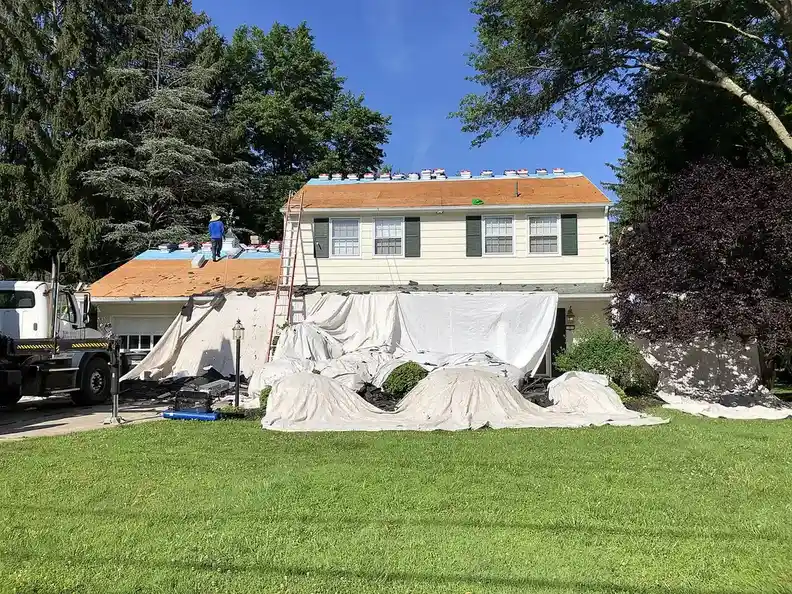
No figures, just the factors: size, pitch, layers, deck condition, material class and drainage work - the honest anatomy of a Tulsa roof replacement quote.
Call center hours: Mon-Fri 7am-10pm, Sat 8am-10pm, Sun 7am-9pm (Eastern) - agents available to take your call
A new roof's figure is not a number pulled from a table - it is the sum of measurable factors on your specific roof, most of which cannot be known until the roof is measured and its layers read.
Understand the factors - size, pitch, complexity, tear-off layers, deck repairs, material class, flashing and drainage work - and you can compare any two quotes on their scopes instead of their totals.
Call for a scoped quote when the inspection says replacement is the honest path - and be wary of any figure offered without a measure and a look at the layers.
This guide does something unusual: it talks about roof cost for several pages without printing a single figure. That is deliberate. Quotes given without a measure are guesses, and the honest way to help a homeowner is to lay out what actually builds the number - the factors, in the order they matter - so that any quote you receive can be read, questioned and compared on its scope. When two roofers' figures differ, the factors below are where the difference is hiding.
Size is the base factor, measured in squares (a hundred square feet each) and usually larger than the home's footprint suggests once pitch is accounted for. Pitch multiplies both material handling and labor: a walkable low slope and a steep two-story pitch are different jobs wearing the same word. Complexity multiplies again - every valley, hip, dormer and penetration is cutting, flashing and time, and Tulsa's newer subdivisions specialize in cut-up rooflines that photograph smaller than they figure.
Access hides in this group too: a roof reachable on all sides by ladder and lift is one job; the same roof over a lake slope, tight lot lines or three stories is another. None of these factors is negotiable or mysterious - a scoped quote should be able to walk you across your own roof and show you each one.
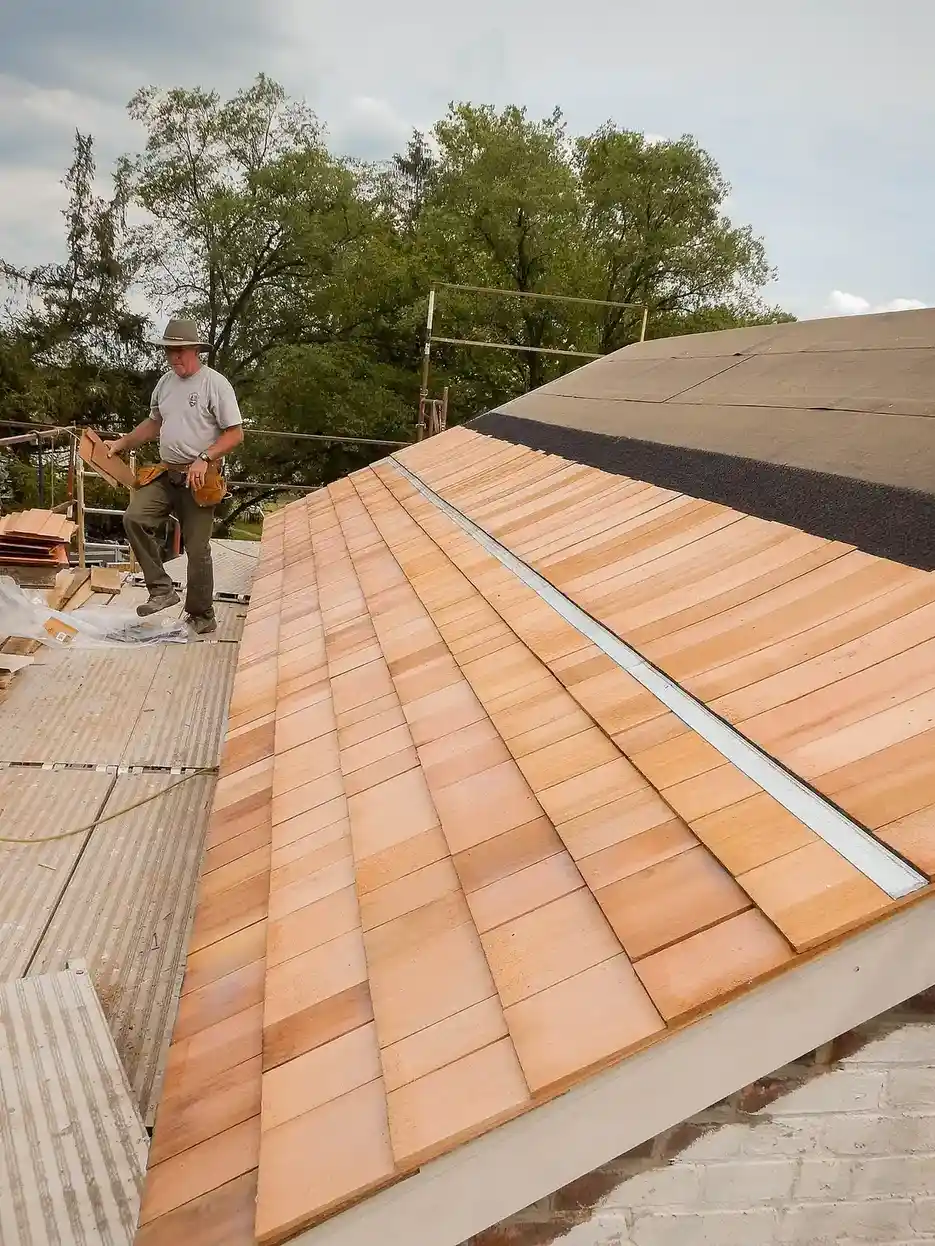
The tear-off side of the quote is where unknowns live. One layer over sound decking is the simple case. Multiple layers - common on older Tulsa homes - add removal labor and disposal weight with each layer, and every layer removed is a chance to find deck damage the surface was hiding: soft eaves, rotted vent surrounds, patched sections from earlier decades.
Deck repair is therefore quoted as a scope with unit logic - what gets replaced, at what extent - rather than a lump guess, and the honest contract states how findings at tear-off are figured before the roof is open. Disposal itself is a real line: tons of material leave the site, and dump logistics in the metro vary more than homeowners expect. When a quote seems to skip this whole side of the job, it is not efficiency - it is an omission that will reappear as a surprise.
Material class is the factor homeowners shop first and understand last. Within shingles alone: standard architectural, impact-rated architectural, designer profiles - each a step in material cost and each with a different service-life and storm story. Metal and tile are different systems entirely, figured per their own logic of decades. The comparison that matters is cost per year of honest local service, and a good roofer will run that math aloud with the hail and heat numbers for this city.
Details and drainage close the list: flashing metals renewed or reused, valley construction, ventilation corrections, and the gutter and drainage work the new roof's water will need. A quote can look lean by reusing tired flashing and leaving undersized gutters - and the new roof then inherits the old roof's leak addresses. Reading a quote means reading what it quietly leaves out.
Stand at the eave and count layers at an exposed edge if one exists - then tell every quoter the same number.
List your roof's complications on paper before quotes: valleys, dormers, chimneys, skylights, flat sections. Watch which quotes mention them unprompted.
Decide your questions in advance: deck-repair logic, flashing renewal, valley build, ventilation, drainage inclusions. Ask all quoters the identical set.
Photograph the attic's underside if accessible - deck condition you already know about is a surprise nobody can sell you later.
Put two honest roofers on the same Tulsa roof and their totals will still differ - by crew costs, by material sources, by how each handles deck findings. Put a third quote dramatically below both and the difference is almost never magic efficiency; it is scope. Layers assumed instead of counted, flashing 'reused' by default, deck repair excluded until the roof is open and the leverage changes hands.
The defense is boring and total: written scopes, factor by factor, compared side by side. Homeowners who run that comparison choose their surprises in advance - which is to say, they eliminate them.
A roof quote is a commodity - same roof, same figure, whoever writes it.
The spread between quotes feels like evidence that somebody is cheating somebody.
A quote is a scope wearing a number, and scopes differ invisibly.
Factor-by-factor comparison - layers, deck logic, material class, flashing, drainage - explains nearly every spread, and shows which quote is actually complete.
The same roof replacement figures differently across the calendar. Planned into a calm window, it competes for a crew's schedule on your terms. Demanded in storm week - with water entering and every roofer in the metro triaged - it charges for scarcity on top of scope. Emergency stabilization is worth its cost; emergency replacement, where it can be avoided by a tarp and a fortnight's patience, usually is not.
There is a second timing effect: a roof replaced one year early loses little value; a roof replaced one storm late donates ceilings, insulation and decking to the bill. The most economical replacement date, in other words, is usually 'the planned one, slightly early' - a conclusion the factors in this guide keep arriving at from different directions.
A professional quote is an act of measurement: squares and pitch taken on the roof, layers verified at an edge, deck risks stated as logic rather than buried as exclusions, materials named by line, details itemized, drainage addressed. The roofer then walks the homeowner through the factors on their own roof - because a customer who understands the scope is a customer whose project does not generate surprises for either side.
Comparing totals without comparing scopes - the single most reliable way to overpay for a roof, in either direction.
Accepting a satellite or photo quote for a layered older roof - the two biggest factors are invisible to both.
Leaving deck repair as an open verbal understanding - get the unit logic in the contract before the tear-off, not during it.
Splitting the drainage work to 'save money' and leaving the new roof pouring into failed gutters for its first season.
Tulsa sits where the plains meet the Ozark foothills, in the heart of Green Country, and the weather writes the roof calendar in four hands: a spring storm season that brings hail and tornadic winds, a summer of heat and humidity, a second storm season in fall, and winters that can deliver an ice storm instead of snow. A Tulsa roof is tested by all four, every year.
Deep summer rearranges priorities. The hail risk fades, and attention turns to what heat does slowly: sealant at vents and pipes reaches the end of its flexibility, attic ventilation decides whether the underside of the deck cooks or breathes, and algae finds the shaded, humid slopes near the river bottoms. A summer roof check is a short list with long consequences.
Squares, pitch, layers and deck evidence - the inputs every honest number is built from.
Tear-off extent, deck-repair logic, materials by name and class, flashing and drainage inclusions - itemized.
Line the quotes up factor by factor; the differences will explain the totals better than the totals explain themselves.
Divide by the honest local years each system offers; the lowest install figure is often the most expensive decade.
A complete written scope names: measured squares and pitch, layers to be removed, deck-repair unit logic, underlayment class, material by manufacturer and line, flashing treatment (renewed or reused, item by item), valley construction, ventilation plan, and drainage work included. Anything a roofer will not put in this form is a factor you are agreeing to discover later.
Keep the winning scope with the contract and the tear-off photos in the roof file. That packet - scope, findings, completion photos - is the documentation set that serves insurance, resale and every future roofer who reads the roof's history from paper instead of guesses.
The figure is the last thing a roof quote should be read for, and the first thing it is usually judged by. Read the factors, compare the scopes, and the totals start explaining themselves - including which one was never really a quote for the whole job.
Because quotes are scopes wearing numbers. Differences hide in layer counts assumed, deck-repair logic, material class, flashing renewal, valley build, ventilation and drainage inclusions. Ask each roofer to walk their scope factor by factor; in most cases the gap resolves into one quote including work the other omitted - and the omitted work does not vanish, it returns as change orders or leaks.
Sometimes the low quote is an efficient crew with low overhead - and sometimes it is a scope with the deck repairs, flashing and details left out. The factors in this guide are the test: a cheap quote that names every factor honestly is a bargain; a cheap quote that is silent on half of them is a down payment on a second conversation.
Insurance changes who pays for the storm-damaged portion, not what the work costs. The scope still has to be measured and documented, the deductible and any non-covered wear are still real, and upgrades beyond the damaged scope are the owner's decision and cost. The roofer's documentation - the damage map - is what the claim side runs on.
The water has to go somewhere on day one, and a new roof delivers it faster and cleaner than the old one did. If the existing gutters are undersized, sagging or torn, renewing them in the same project is usually cheaper than a second mobilization - and new-roof valleys pouring into failed gutters will stain the new work within a season.
One call connects you with a roofing professional serving Tulsa and the surrounding Green Country communities - inspection, repair, replacement and upkeep.
📞 Call Now