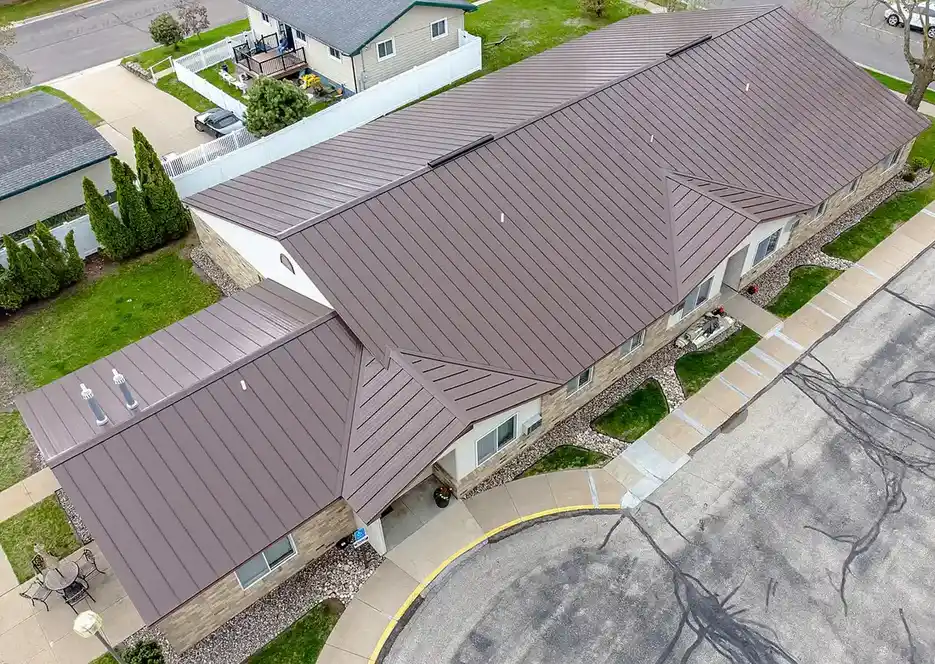
Metal Roofing in Tulsa, OK
Metal roofing in Tulsa - standing seam and panel systems that shrug off hail dents, shed ice-season limbs' weather and outlast shingle cycles, maintained at fasteners and seams.
Call center hours: Mon-Fri 7am-10pm, Sat 8am-10pm, Sun 7am-9pm (Eastern) - agents available to take your call
Metal roofing in Tulsa answers the local questions directly: it does not bruise like shingles in hail, it sheds Oklahoma's hard rain fast, and its service life runs in decades rather than storm seasons. Its upkeep is different, not absent - fasteners and seams are the calendar items.
Metal roofing rewards owners who think in systems. The panels are the visible half; the clip-and-fastener engineering underneath is the working half, absorbing daily movement and storm loads for decades. The failures that end metal roofs early are almost never panel failures - they are fastener schedules skipped, sealant left to split, a repair detail that pinned a moving panel tight and tore it open over seasons.
Signs Your Home Is Asking for Metal Roofing
- Loose or backed-out fasteners - On exposed-fastener panels, screws that have ridden up with thermal cycling are open water paths and wind handholds.
- Sealant splitting at seams and penetrations - The joints move daily; when their sealant splits, driven rain gets its route in - the classic metal-roof leak.
- Panel oil-canning or lifting at edges - Wavy panels or edges that lift in wind point to fastening or clip problems underneath, not just appearance.
- Rust at cut edges and scratches - Where the finish is breached and left, corrosion starts at edges, fastener holes and debris dams in valleys.
- Dents and finish damage after hail - Big hail dents panels and can crack finishes; the roof may keep shedding water while its protective coat is compromised.
- Noise or leaks after ice - Ice that forms and slides can tear at eave details and gutter lines; post-storm leaks at the eaves are a metal-specific check.
Homeowners in Tulsa usually meet metal at a crossroads: tired of the shingle replacement cycle, building new, or covering a rural property where the roof has to look after itself. The conversation that matters is about systems - panel, seam, fastener and finish - because those decide the decades.
How Metal Roofing Works Here
Metal's Tulsa advantage starts with hail. Panels dent rather than fracture; a roof that would end a shingle field's life is often an appearance event on metal. The honest caveat is finish: hail and limb strikes that crack coatings start corrosion clocks, so post-storm reads still matter.
It is also the roof that changes a home's relationship with its site. At the wooded and lake edges, metal's ember resistance and clean shedding solve two problems that define those addresses. On the open plains side, it rides out hail that ends shingle fields. These are reasons metal keeps gaining ground in Green Country - it answers the local questions, not just the aesthetic ones.
Identify the system and its details
Panel type, seam style, fastener pattern and finish are read first - the maintenance and repair plan follows the system, not the material alone.
Audit fasteners and seams
Every accessible fastener line and seam is checked for backing-out, gasket failure and split sealant - the roof's real leak map.
Repair to the movement spec
Fasteners renewed with correct gaskets, seams resealed with compatible products, panels refastened to allow movement - never pinned hard.
Set the renewal calendar
You get the fastener and sealant schedule in writing, matched to your system, so mid-life events happen on time.
Movement is metal's daily reality. Panels expand and contract across Oklahoma's temperature swings by measurable amounts, and the engineering - clips that let panels float, fastener schedules, slotted holes - exists to absorb it. Roofs that were pinned tight by careless repairs tear at their own fasteners over seasons.
A Metal Roofing Visit, Tulsa Style
There is a shape to professional metal roofing that homeowners learn to recognize:
First comes the perimeter walk: fascia, eave and downspout evidence gathered before anyone climbs - the part of the inspection that costs nothing and tells plenty.
Hands do as much work as eyes up there: mats tested for the give that means fracture, laps lifted where wind has been arguing with them, sealant lines read by touch for the split that sight alone misses. Tulsa homes span historic share the same storms and sun as the rest of the city.
Tulsa homes span historic share the same storms and sun as the rest of the city.
The visit closes with a written summary: what was found, what it means, and what order it should be handled in - the document the roof file keeps.
That method - ground read, roof read, water's logic, written findings - is what a homeowner is actually buying when they book metal roofing in this part of Tulsa.
Metal Roofing in Tulsa's Climate
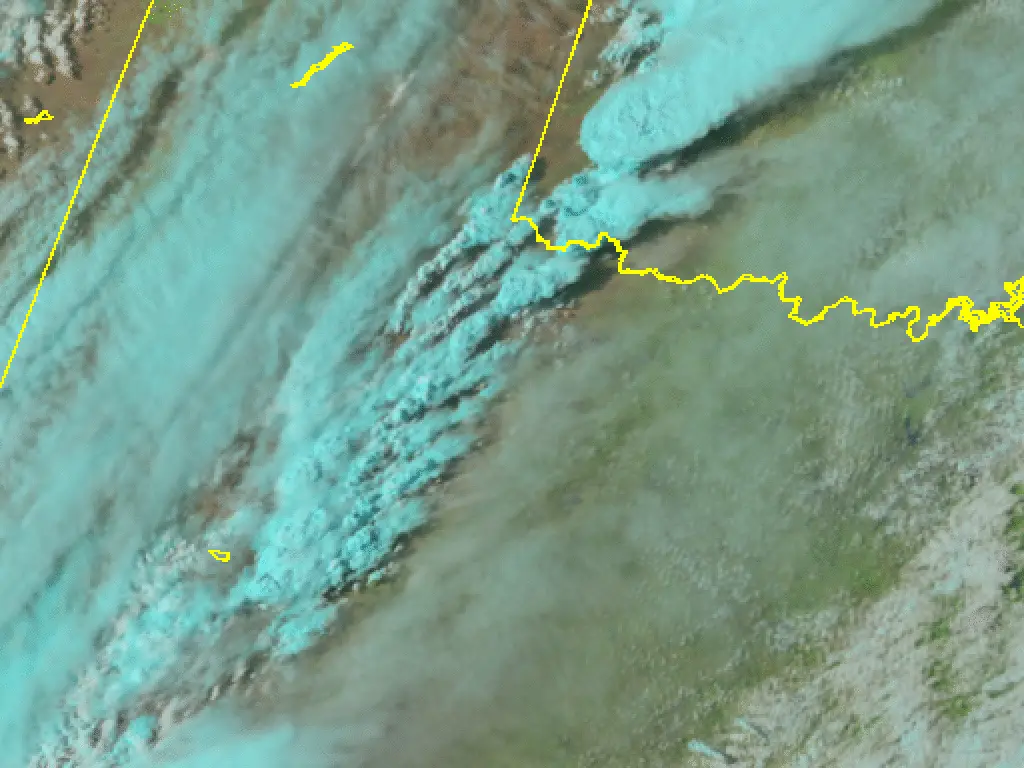
Tulsa sits where the plains meet the Ozark foothills, in the heart of Green Country, and the weather writes the roof calendar in four hands: a spring storm season that brings hail and tornadic winds, a summer of heat and humidity, a second storm season in fall, and winters that can deliver an ice storm instead of snow. A Tulsa roof is tested by all four, every year.
The systems split into two families with different upkeep. Standing seam hides its fasteners and asks mainly for seam and sealant checks. Exposed-fastener panels put thousands of screws in the weather, and their renewal at mid-life - screws out, new gaskets in - is the scheduled event that decides whether the roof reaches its full decades.
Tulsa sits where the plains meet the Ozark foothills, in the heart of Green Country, and the weather writes the roof calendar in four hands: a spring storm season that brings hail and tornadic winds, a summer of heat and humidity, a second storm season in fall, and winters that can deliver an ice storm instead of snow. A Tulsa roof is tested by all four, every year.
Picture wind from a squall line peeling at ridge caps and testing every loose shingle tab - that is the working environment this service answers in Tulsa, and it is why the local version of metal roofing is scoped the way this page describes. Local roofs age by exposure more than by birthday: the storm-facing slopes and the unshaded south faces run years ahead of their sheltered neighbors, which is why honest reports here are written slope by slope, not house by house.
Choosing Well: Materials, Systems and Fit
Choose metal help on movement talk: clips, fastener schedules, expansion details. A roofer who explains how the system is allowed to move - and what the fastener renewal at mid-life looks like - is describing a roof that will last. One who treats metal like plywood with a nicer finish is scheduling its problems.
A metal roof in Tulsa changes a home's relationship with its site. Ember and limb risk at the wooded edges, snow and ice shedding in winter storms, heat reflection in July - the material answers several Green Country problems at once, provided the details underneath are engineered for movement.
Winter's other story is the swing. A Tulsa January can deliver a 70-degree afternoon and a hard freeze two nights later, and roofs feel every cycle: materials expand and contract, ice works in cracks, and wind off the plains finds the edges that loosened in the fall storms. Roofs that went into winter with their details closed come out of it quiet; the rest file their reports in the spring rains.
DIY vs Professional
The Do-It-Yourself Temptation
- Tightening every screw you can reach over-torques some and splits their gaskets - the audit has a method
- Sealing a seam with the wrong product can trap moisture and void the panel maker's system
- Walking panels without knowing the rib and clip layout dents the roof you are trying to save
The Professional Scope
- System identified first - seam, clip, fastener and finish - before any work is scoped
- Fastener and seam audit with renewals done to the movement engineering
- Repairs that respect the panel system instead of pinning it into future tears
From Findings to Finished Work
Finally, the honest scope names what it does not include and what it could not see. Deck sections hidden under sound-looking covering, conditions inside wall cavities, the true state of a layer nobody has lifted yet - a scope that puts figures on the visible and states the logic for the invisible protects both sides of the contract. In a storm market, that paragraph of candor is worth as much as any line of material.
Sequencing matters as much as scope. Work on a Tulsa roof is ordered so that nothing finished is disturbed by something later: deck and underlayment before covering, covering before flashing details, details before drainage tie-ins, and the whole program planned around the week's storm chances. A crew that can explain its sequence - and what weather would pause it - is describing a managed job; a crew that cannot is describing an improvisation with your roof as the stage.
Keeping the Result: Prevention
Metal asks little, but what it asks is specific: watch the fasteners, respect the movement, touch up the finish. The habits below are the whole maintenance philosophy of a metal roof.
- Schedule the fastener audit on the system's clock, not the leak's.
- Keep debris out of valleys - standing grit and leaves hold moisture against the finish.
- Touch up finish breaches promptly; small corrosion is a small job.
- Never let anyone walk the panels in a way that dents ribs or crushes seams - access has rules.
- After big hail, check finishes and seams, not just for leaks.
- Keep gutters clear; metal sheds water fast and overloads clogged drainage suddenly.
Metal Roofing Across the Metro
Metal Roofing Questions
Standing seam or exposed fastener - which fits Tulsa?
Standing seam hides fasteners from the weather and runs the longest with the least upkeep; exposed-fastener panels install at a lower entry point and carry a scheduled fastener renewal. Both shed hail dents better than shingles. The choice is budget against upkeep rhythm, and a roofer should lay out both honestly.
Will a metal roof change my home's cooling load?
Reflective finishes shed a meaningful share of summer heat gain into the attic compared with dark shingles, especially in light colors. The roof is one part of the cooling picture - ventilation and insulation share it - but in a Tulsa July the difference is a real line item.
What maintenance does a metal roof actually need?
Less than shingles, and more specific: seam and sealant checks, fastener audits on the system's schedule, valley and gutter clearing, and prompt touch-up of finish damage. Owners who run that short list get the decades the material promises.
What shapes the quote for metal roofing in Tulsa?
The system (standing seam runs higher than exposed-fastener), panel gauge and finish, roof complexity and pitch, deck condition, and whether old roofing comes off. Metal's math is per-decade rather than per-install - a real quote lays both frames out for comparison.
What roofing problems show up most in Tulsa - and what does it mean for metal roofing?
The pattern inspectors document in Tulsa is Tulsa's own: the familiar Green Country pattern - hail wear graded on the storm-facing slopes, sealant aged by hot summers, canopy debris in the valleys and drainage sized for a gentler rain climate than this one Combined with the local tree cover and the area's housing vintages, that produces the usual findings - storm wear graded by slope, sealant and flashing at the end of their hot summers, drainage undersized at valley corners, and limb and debris damage under the canopy. The fix list follows the findings, so an inspection that reads the whole system - roof, flashing, drainage - is worth more than any single-repair opinion.
How long does a metal roof last in Tulsa?
Standing-seam systems commonly run forty years and beyond here, and exposed-fastener panels run decades with their mid-life fastener renewal done on time. The panel is rarely what ends a metal roof - neglected fasteners, seams and finishes are.
Does hail destroy a metal roof in Tulsa?
Ordinarily no. Hail dents panels - sometimes heavily - but dented metal keeps shedding water, unlike fractured shingle mats. The checks that matter after hail are finish cracks at the dents and any seam or fastener shift, which an inspection reads.
Is a metal roof noisy in Oklahoma rain and hail?
On a modern residential build - over solid decking, underlayment and attic insulation - interior sound is close to a shingle roof's. The barn-roof drum effect belongs to panels over open framing. A roofer can show you the assembly that keeps it quiet.
Can metal go over my existing shingles in Tulsa?
Sometimes, with furring and a sound deck confirmed first - but it hides the deck's condition and any existing moisture problems. The inspection decides. Where the deck is suspect, tear-off is the honest route; where it is sound, an over-roof can be legitimate.
Does metal roofing in Tulsa come with a written report?
It should, and on this service it does: findings graded slope by slope, photographs keyed to the map, and the recommended order of work stated plainly. In Tulsa that document does double duty - it is your decision record today and your baseline after the next storm, when the question near the Arkansas River crossings and everywhere else becomes 'what changed?'
Hail Dents, a Ceiling Stain or Gutters Pouring Over?
One call connects you with a roofing professional serving Tulsa and the surrounding Green Country communities - inspection, repair, replacement and upkeep.
📞 Call Now