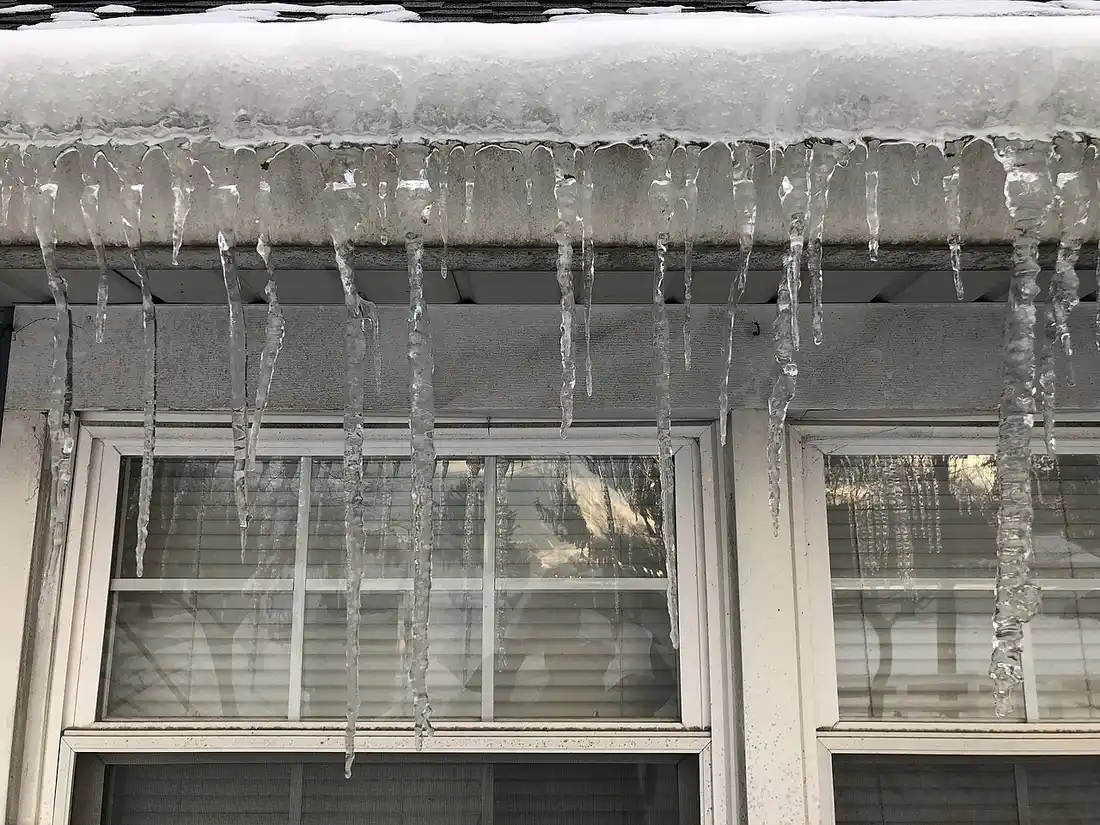
Gutter Installation in Tulsa, OK
Gutter installation in Tulsa - seamless gutters sized and pitched for Oklahoma downpours, hung on sound fascia and drained well away from the foundation.
Call center hours: Mon-Fri 7am-10pm, Sat 8am-10pm, Sun 7am-9pm (Eastern) - agents available to take your call
Gutter installation in Tulsa is a sizing decision before it is a metal decision. Tulsa rain does not arrive gently - it arrives an inch an hour in spring - and the gutter system that works here is the one calculated for that load: right profile, right pitch, downspouts where the water actually falls.
Installation is the one moment when a drainage system can be gotten wholly right: sizes matched to planes, pitch set true, downspouts placed where the water actually concentrates and discharged where the ground actually falls away. Every later service - cleaning, repair, guards - works within the quality of that first day's decisions. This is why installation quotes should be compared on their water maps, not their per-foot numbers.
Signs Your Home Is Asking for Gutter Installation
- No gutters on key roof lines - Roof edges that pour straight off wash soil, stain siding and soak the foundation line with every storm.
- Undersized gutters that overflow - Water sheeting over the front in ordinary rain means the profile cannot carry an Oklahoma downpour - sizing, not cleaning, is the fix.
- Valleys dumping at entries and corners - Where two roof planes meet, the water arrives in bulk; without a gutter and downspout plan there, it lands on the walkway and the foundation.
- Soil erosion and mulch washout lines - The trench under the drip line is the roof's water, uncollected, doing foundation work you do not want.
- Basement or crawl-space dampness at walls - Water delivered to the foundation line finds its way in; gutters that carry it away are part of the dry-basement system.
- Fascia and soffit staining - Overflow and splash-back write on the wood at the eave - the staining maps where collection is missing or failing.
Many Tulsa homes were built with gutters as an afterthought - or without them on the back and sides at all. The drip line tells the story: mulch washed away, soil eroded at the foundation, siding stained where the roof has been pouring off the edge for years. Installation is where that story gets fixed.
How Gutter Installation Works Here
Oklahoma's rain volume is the design input. A mid-sized Tulsa roof plane in a one-inch-an-hour storm delivers hundreds of gallons an hour to its eave. Five-inch gutters with standard downspouts are the older default; steeper and larger roofs often honestly need six-inch profiles and extra downspouts. The calculation is per-plane, not per-house, and any installer who skips it is guessing with your foundation.
The Tulsa context sharpens the point. Clay soil that moves foundations when watered unevenly, rain that arrives by the inch per hour, valleys that deliver a roof's whole collection to one corner - installation here is foundation engineering at the eave line. The installer who asks where your water should end up is telling you he understands the job the metal is actually doing.
Read the roof's water map
Each plane's delivery is assessed: valley concentrations, pitch, run lengths and where the ground can take the water.
Size and place the system
Profile size, downspout count and placement are matched to the map - with extensions or drains planned to carry water away from the foundation.
Check and prepare the fascia
Gutters hang on the eave's wood; rotted or split fascia is identified and the fix scoped before metal goes up.
Form, hang and test
Seamless runs are formed on site, hung at a true pitch into the hangers, sealed at corners, and flow-tested with water before the crew leaves.
Clay soil raises the stakes. Tulsa-area soils swell when wet and shrink when dry, and foundations move with them. Gutters that dump their water at the foundation line feed the wet side of that cycle. Downspout placement and extensions that carry water well away are therefore part of installation here, not an add-on.
A Gutter Installation Visit, Tulsa Style
There is a shape to professional gutter installation that homeowners learn to recognize:
Ladders stay on the truck until the street view has been read: rooflines compared with the neighbors, drip lines checked for trenches, the whole elevation taken in the way a storm would see it.
The roof itself is read in passes - field, edges, details, drainage - with each finding photographed where it sits, because a photo with a location is worth a page of description. Tulsa homes span historic share the same storms and sun as the rest of the city.
r Tulsa homes span historic share the same storms and sun as the rest of the city.
The last part of the visit is paperwork with a purpose: findings, photographs and priorities in writing, so nothing depends on memory.
It is unglamorous, repeatable work, and it is why the conclusions hold up when the next storm grades them.
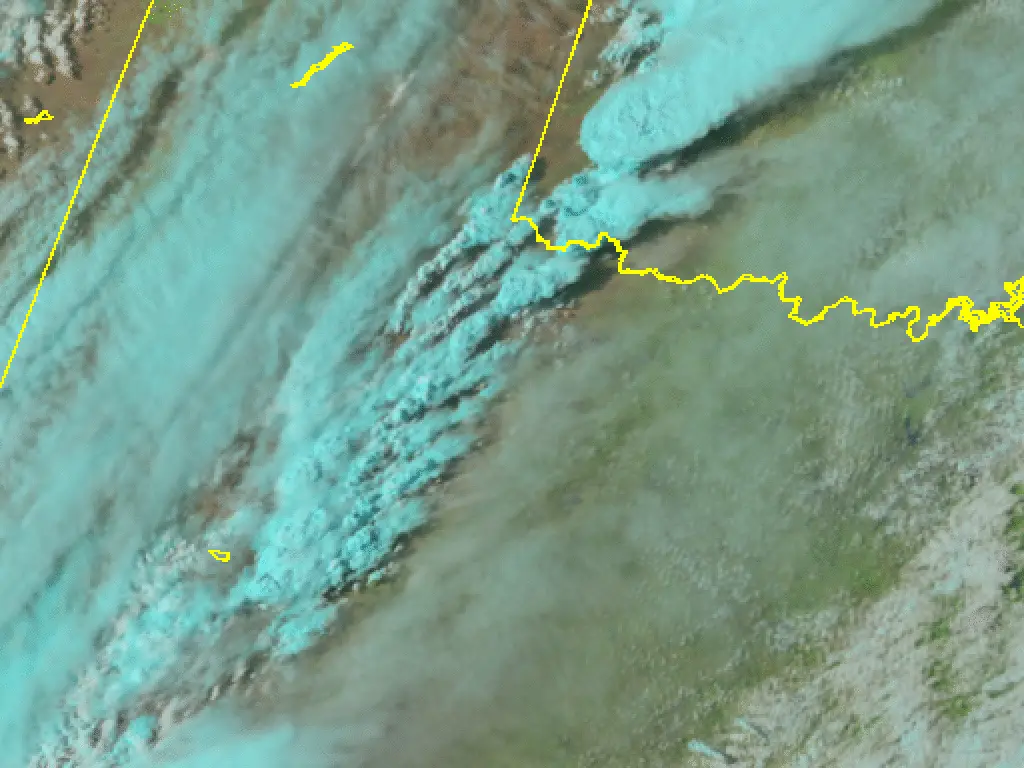
Gutter Installation in Tulsa's Climate
Tulsa sits where the plains meet the Ozark foothills, in the heart of Green Country, and the weather writes the roof calendar in four hands: a spring storm season that brings hail and tornadic winds, a summer of heat and humidity, a second storm season in fall, and winters that can deliver an ice storm instead of snow. A Tulsa roof is tested by all four, every year.
Seamless construction fits this climate for a plain reason: every seam is a future leak and a debris catch. Field-formed seamless runs, hung with hidden hangers into sound fascia at a true pitch, remove most of both. The installation craft is in the pitch and the fastening - the two things that decide whether the system works in year ten.
Hail is the region's signature roof event. The same storm systems that cross the plains drop hail on Green Country roofs most springs - sometimes pea-sized and harmless, sometimes large enough to bruise shingles, dent metal and crack tiles in one pass. Hail damage is often invisible from the ground, which is why post-storm inspections, not driveway opinions, decide what a storm actually did.
Picture oak and pecan canopy closing over the older streets, shedding catkins and leaves onto every roof below - that is the working environment this service answers in Tulsa, and it is why the local version of gutter installation is scoped the way this page describes. Locally the work runs heavy on the details Tulsa's climate writes: granular loss under the hail belt's aim, sealant cooked by full summers, valleys loaded with canopy litter, and drainage systems asked to move an inch of rain in an hour.
Choosing Well: Materials, Systems and Fit
Choose gutter installation on the water map. The installer worth hiring measures your roof planes, talks about valley delivery and discharge distance, and can show why each run is the size it is. A per-foot quote with no map is a guess with a ladder - the system it hangs will grade the guess at the first April downpour.
A proper installation visit in Tulsa reads the roof first: how much water each plane delivers, where valleys concentrate it, and where the ground can receive it. Gutters hung without that read are decoration; gutters hung from it are a drainage system.
Deep summer rearranges priorities. The hail risk fades, and attention turns to what heat does slowly: sealant at vents and pipes reaches the end of its flexibility, attic ventilation decides whether the underside of the deck cooks or breathes, and algae finds the shaded, humid slopes near the river bottoms. A summer roof check is a short list with long consequences.
DIY vs Professional
The Do-It-Yourself Temptation
- Box-store sectional gutters in ten-foot pieces come with a seam every ten feet - each one a leak and a sag waiting its turn
- Hanging gutters 'level' for looks stops the water; the pitch toward the downspout is the working part
- One downspout for a long steep run makes overflow a certainty exactly where the valley delivers
The Professional Scope
- System sized from the roof's actual water delivery, plane by plane
- Seamless runs, hidden hangers, true pitch - flow-tested before the job is done
- Downspouts planned to discharge away from the foundation, not at it
From Findings to Finished Work
Sequencing matters as much as scope. Work on a Tulsa roof is ordered so that nothing finished is disturbed by something later: deck and underlayment before covering, covering before flashing details, details before drainage tie-ins, and the whole program planned around the week's storm chances. A crew that can explain its sequence - and what weather would pause it - is describing a managed job; a crew that cannot is describing an improvisation with your roof as the stage.
Finally, the honest scope names what it does not include and what it could not see. Deck sections hidden under sound-looking covering, conditions inside wall cavities, the true state of a layer nobody has lifted yet - a scope that puts figures on the visible and states the logic for the invisible protects both sides of the contract. In a storm market, that paragraph of candor is worth as much as any line of material.
Keeping the Result: Prevention
A new gutter system asks for a short owner's rhythm from day one. The habits below keep the installation's sizing and pitch working as designed.
- Keep the new system's outlets mapped - know every downspout and where it discharges.
- Clean on the canopy's schedule, not the calendar's - oak neighborhoods fill gutters twice a year.
- Watch the first big storm from the yard; overflow points found early are adjustments, not damage.
- Keep splash blocks and extensions in place after mowing and yard work.
- Check hangers after ice events; ice weight is the load gutters are rarely designed for.
- Photograph the installed system for the home file - sizes and layout matter at resale.
Gutter Installation Across the Metro
Gutter Installation Questions
How long do properly installed gutters last in Tulsa?
Aluminum seamless systems commonly serve twenty years and more when pitched right, hung into sound fascia and kept clear. What ends them early is standing water from bad pitch, ice loads, and debris weight - all maintenance-side events, which is why the rhythm matters as much as the metal.
Do gutters change how my roof drains?
They complete it. The roof's job is to shed water to the eave; the gutter's job is to take custody there and deliver it to a safe discharge. A roof without working gutters is a system missing its second half - the water still lands, just at the worst address on the lot.
What gutter material suits Oklahoma weather?
Aluminum is the working standard here - it does not rust, forms seamlessly on site and handles the temperature swings. Steel and copper serve specific cases. The profile size and installation quality matter more to performance than the metal choice among sound options.
What shapes the quote for gutter installation in Tulsa?
Total run length, profile size, downspout count and placement, story height and access, fascia condition, and discharge work (extensions or buried drains). A quote built on the water map names these; a per-foot number alone hides them.
What roofing problems show up most in Tulsa - and what does it mean for gutter installation?
The pattern inspectors document in Tulsa is Tulsa's own: the familiar Green Country pattern - hail wear graded on the storm-facing slopes, sealant aged by hot summers, canopy debris in the valleys and drainage sized for a gentler rain climate than this one Combined with the local tree cover and the area's housing vintages, that produces the usual findings - storm wear graded by slope, sealant and flashing at the end of their hot summers, drainage undersized at valley corners, and limb and debris damage under the canopy. The fix list follows the findings, so an inspection that reads the whole system - roof, flashing, drainage - is worth more than any single-repair opinion.
What size gutters does a home in Tulsa need?
The size follows the roof planes above them: their area, pitch and valley concentration, against Oklahoma rain rates. Many Tulsa homes honestly need six-inch gutters on their big planes where five-inch was the builder default. An installer should show the reasoning per run, not quote one size for the whole house by habit.
Are seamless gutters worth it in Tulsa?
For most homes, yes: fewer joints means fewer leak points and fewer debris dams, and field-formed runs fit the house exactly. The premium over sectional is modest against the drip-by-drip toll of seam failures at fascia and foundation. The installer's pitch and hanger work still decide the outcome.
Where should downspouts go on my Tulsa home?
Where the water is - at valley outflows and run ends - and they should discharge well away from the foundation, onto grade that falls away or into extensions. A downspout that pours at the base of the wall trades a roof problem for a foundation problem, which in clay country is a bad trade.
Can gutters be installed on a home with worn fascia in Tulsa?
Not honestly - hangers need sound wood, and gutter weight plus water weight will pull loose from rot. The fascia condition is checked first; damaged sections are repaired or replaced as part of the scope so the system you pay for stays hung.
What records should I keep after gutter installation in Tulsa?
The written scope, the before-and-after photographs and the completion notes, filed together with the date and the weather that prompted the call. That packet is the roof file's core: the next inspection in Tulsa reads against it, a future claim runs on it, and a buyer inherits it as proof the roof was kept, not just owned.
Talk Gutter Installation With a Tulsa Gutter Professional
One call connects you with a gutter professional serving Tulsa and Green Country for gutter installation and the rest of the drainage system.
📞 Call Now